
Ice Dam Prevention: How to Protect Your Roof Before Winter Hits
When winter arrives, most homeowners focus on heating bills and frozen pipes. But one of the most damaging cold-weather problems often starts above your head. Ice dams may look like harmless ridges of frozen buildup along the edge of your roof, but they can quietly force water under shingles and into your home.
Ice dam prevention isn’t just about clearing snow — it’s about understanding why ice dams form in the first place and correcting the conditions that cause them.
What Causes Ice Dams in the First Place?
Ice dams form when warm air escapes from your living space into the attic. That trapped heat warms sections of the roof, melting snow on the upper portion of the surface. The melted snow runs downward until it reaches the colder eaves near the edge of the roof, where it refreezes.
As this cycle continues, a thick ridge of ice develops along the roofline. Water from newly melted snow has nowhere to go. Instead of draining off the roof, it backs up beneath shingles and seeps into the home.
The result can include:
- Ceiling stains
- Wet insulation
- Damaged drywall
- Mold growth
- Wood rot
Ice dams are rarely caused by snow alone. They’re usually a sign of ventilation or insulation imbalance — and that’s where true ice dam prevention begins.
Why Ice Dam Prevention Matters for Roof Safety
Beyond interior damage, ice dams can compromise roof safety in several ways. When water freezes and expands beneath shingles, it weakens their seal. Over time, this can shorten the lifespan of your roofing system. Flashing around vents and chimneys may loosen, and repeated freeze-thaw cycles can create stress points along the roof deck.
Heavy ice accumulation also adds weight along the roof’s edge. While most roofing systems are built to handle snow loads, uneven ice buildup can create localized strain. Preventing ice dams protects more than your ceiling — it protects the integrity of your entire roofing structure.
The Role of Insulation in Ice Dam Prevention
One of the most effective ice dam prevention strategies starts inside the home. Proper attic insulation limits heat transfer from living spaces into the attic. When insulation levels are adequate, the roof surface remains consistently cold, which reduces the uneven melting that causes ice dams.
If sections of your attic are under-insulated, warm air can escape upward, creating hot spots beneath the roof. A professional inspection can determine whether your insulation levels are sufficient for winter conditions in your area.
Ventilation: The Often-Overlooked Factor
Ventilation works hand-in-hand with insulation. Even with good insulation, trapped warm air in the attic can raise temperatures. Proper intake and exhaust ventilation allow cold air to circulate, maintaining a consistent roof surface temperature.
Balanced ventilation systems typically include:
- Ridge vents
- Soffit vents
- Gable vents
When airflow is restricted, heat accumulates, increasing the likelihood of melting snow and refreezing at the eaves. Ice dam prevention is rarely about one single fix — it’s about ensuring insulation and ventilation work together effectively.
Moisture Control Inside the Home
Another contributor to ice dams is indoor humidity. Activities like cooking, showering, and laundry release moisture into the air. If that moisture rises into the attic, it can condense on colder surfaces, increasing heat retention and raising roof temperatures.
Proper moisture control includes:
- Sealing attic air leaks
- Using bathroom and kitchen exhaust fans
- Maintaining balanced indoor humidity
Managing interior moisture doesn’t just prevent mold — it also plays a role in protecting your roof during winter months.
Gutter Maintenance Before Winter
Clogged gutters can make ice dams worse. When gutters are filled with debris, water cannot drain properly. As temperatures drop, trapped water freezes and creates additional buildup along the roof edge.
As part of routine winter home maintenance, cleaning gutters in late fall reduces the chance of ice accumulation where snowmelt should flow freely. Proper drainage helps keep meltwater moving off the roof instead of backing up under shingles.
Warning Signs of Developing Ice Dams
Sometimes homeowners don’t realize an ice dam is forming until damage appears inside. Watch for:
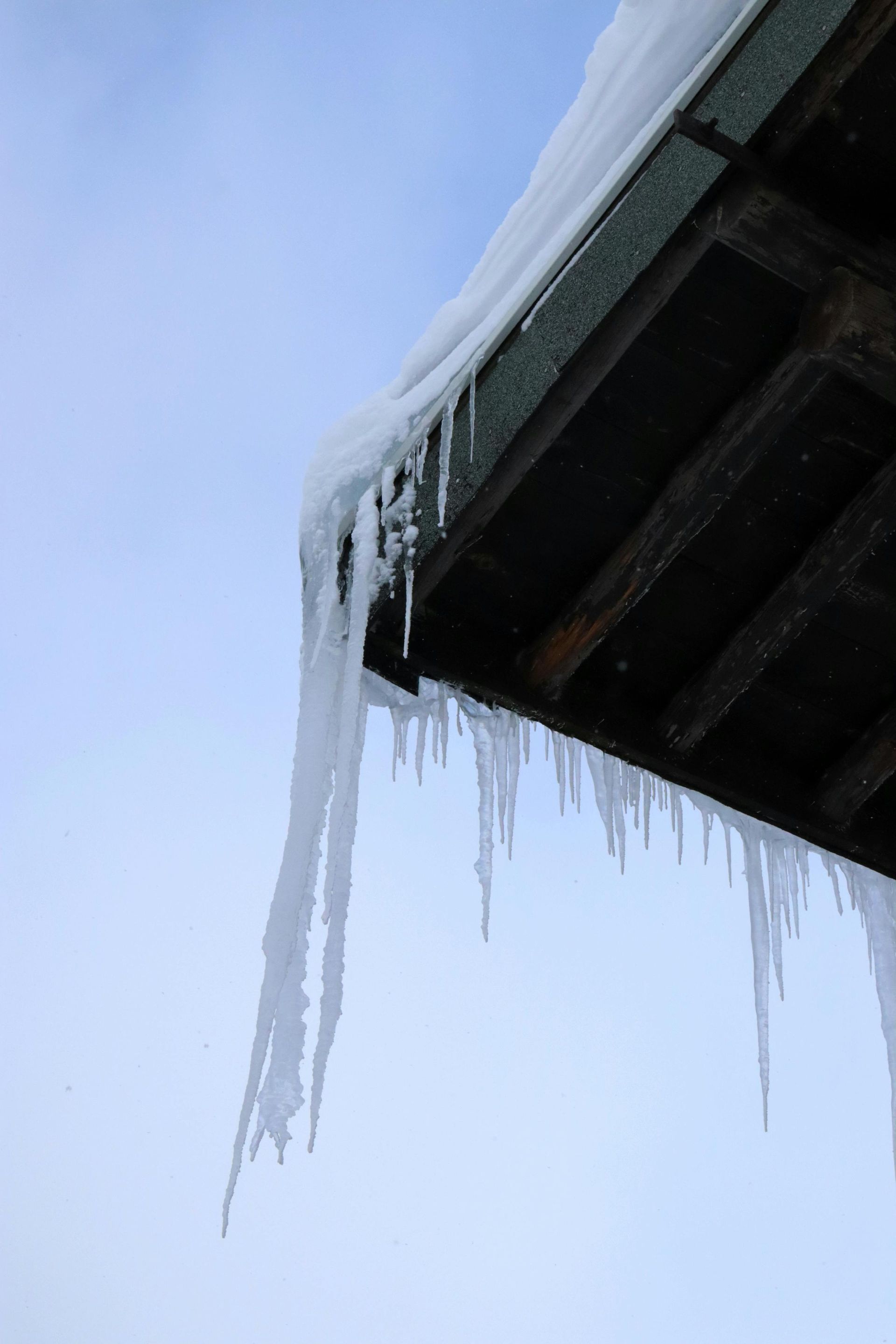
- Icicles forming along the roof edge
- Snow melting unevenly
- Ice buildup in gutters
- Water stains near exterior walls
- Peeling paint or sagging drywall
If you notice these early indicators, it’s important to act quickly. Addressing the underlying cause can prevent recurring problems year after year.
What Not to Do
When homeowners see ice buildup, the instinct is often to chip it away. Unfortunately, using sharp tools to remove ice can damage shingles and compromise waterproofing layers. Climbing onto an icy roof also creates serious safety risks.
Safe ice dam prevention focuses on correcting airflow and insulation issues — not aggressively attacking the ice itself.
Why Winter Preparation Beats Emergency Repairs
Emergency roof repairs during freezing conditions are never ideal. Materials are less flexible, surfaces are slippery, and weather windows are limited. Preventative maintenance performed before heavy snowfall offers better long-term results.
Addressing ventilation imbalances, improving insulation, and checking flashing integrity in advance reduces the likelihood of winter damage. Thoughtful winter home maintenance now helps you avoid costly surprises later.
Schedule a Winter Roof Evaluation Today
Ice dams don’t form overnight. They develop when multiple small issues combine — heat loss, poor airflow, clogged gutters, and excess moisture. The good news is that most of these factors are manageable with the right evaluation and improvements.
At American Home Exteriors, we help homeowners prepare their roofing systems for winter conditions. Our inspections identify insulation gaps, ventilation concerns, and structural vulnerabilities that contribute to ice formation. Ice dam prevention starts long before the first snowfall.